Smart locks are common now, yet many people still ask a basic question: can smart locks be hacked? Nobody wants someone online opening their front door as if it were just another app.
A smart lock uses digital keys, wireless signals, and phone apps to control your door instead of a metal key. That convenience brings new ways criminals might try to break in, but it also gives strong tools to stop them. This guide from Faster Locksmith explains how smart locks work, where attacks really happen, and the simple habits that keep your home or business safe.
Keep reading to learn the real risks, practical prevention tips, and when to bring in a professional locksmith.
Key Takeaways
- Yes, smart locks can be hacked, but for most homes successful digital attacks are still rare. Reports from Statistics Canada show far more forced entries through doors and windows than any kind of smart lock attack.
- The biggest threats are weak passwords, reused logins, and outdated firmware, not movie‑style hackers. Research from the Verizon Data Breach Investigations Report links over 80 percent of hacking‑related breaches to stolen or weak credentials. Choosing locks that use AES‑128 or AES‑256 encryption and turning on two‑factor authentication blocks most attempts.
- Brand choice and expert setup matter as much as the lock itself. Schlage, Yale, August, Kwikset, and Wyze push frequent security patches and app updates. Faster Locksmith pairs that hardware with careful installation, battery and firmware guidance, and fast 24/7 help across the Greater Toronto Area.
How Do Smart Locks Work – And Where Are They Vulnerable?

Smart locks swap metal keys for digital credentials sent over wireless signals, and those connections create new points attackers can probe. Understanding how smart locks communicate makes it easier to see where someone might try to interfere.
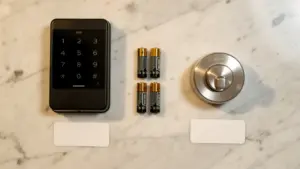
A typical smart lock contains a small motor, a radio chip, and firmware that decide when the deadbolt should move. Instead of turning a key, you open the door with a phone app, keypad code, fingerprint reader, or a voice assistant such as Amazon Alexa or Google Home. The lock checks your credential and then drives the bolt in or out.
To talk with your phone or hub, the lock usually relies on Bluetooth Low Energy, Wi‑Fi, Z‑Wave, Zigbee, or NFC. Bluetooth models connect directly to your smartphone near the door, while Wi‑Fi locks route traffic through your home router. Z‑Wave and Zigbee versions send data to a central hub that might also manage cameras, alarms, or thermostats. Each of those links and apps adds another path an attacker might test, which is why both software design and door hardware quality matter with smart locks.
Can Smart Locks Be Hacked? Common Attack Methods Explained
The short answer to can smart locks be hacked is yes, but it usually takes skill, time, and a weak setup. Most break‑ins still target the door or window itself, yet researchers and criminals have shown several ways to attack the digital side.
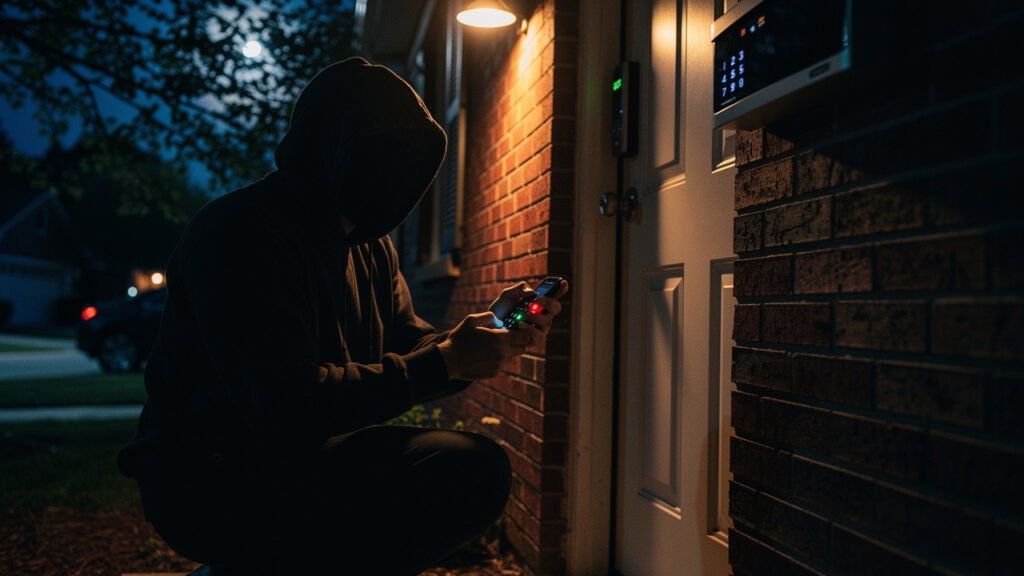
Bluetooth relay and replay attacks use radio tricks to fool the lock about where your phone is or to repeat a command to open it. Criminals place one device near your phone and another near the door, then pass the Bluetooth Low Energy signal between them in real time. At DEF CON 24, researcher Anthony Rose showed he could open 12 of 16 tested Bluetooth locks using variations of this idea (DEF CON).
Brute‑force PIN guessing and keypad tricks target locks with keypads instead of apps. If a device allows endless attempts or shows which numbers are worn, someone at the door can narrow down your code and keep trying. Better models lock out after several wrong tries and let owners add extra random digits so smudge marks do not reveal patterns.
Firmware, app, and network exploits look for bugs in the software that runs the lock or the phone app that controls it. If updates are skipped, a known flaw can let someone send crafted commands over Wi‑Fi or a cloud server to open the door. Research from Bitdefender found several early smart locks that sent commands without proper encryption, making remote abuse far easier.
Account takeover through weak passwords may sound boring, yet it causes many real intrusions. The Verizon Data Breach Investigations Report links over 80 percent of hacking‑related breaches to stolen, guessed, or reused passwords. If someone gets your smart lock app login, they do not need fancy tools at all, which is why strong passwords and two‑factor authentication (2FA) matter so much.
As security technologist Bruce Schneier often notes, “Security is a process, not a product.” That mindset fits smart locks perfectly: strong hardware still needs good habits.
How Likely Is a Smart Lock Hack for the Average Homeowner?
For most people asking whether smart locks get hacked often, the honest answer is yes, but the odds stay low. According to the FBI, more than half of reported home burglaries involve forced entry like kicked doors or broken windows, not clever software tricks. Criminals usually pick the easiest path, such as a weak door frame or a patio door left open, especially in suburbs around the Greater Toronto Area. When you pair a quality smart lock with solid hardware and good password habits, the realistic hacking risk for a single home is much smaller than the risk of simple physical force.
How to Protect Your Smart Lock From Being Hacked

Protecting a smart lock from being hacked starts with basic digital hygiene and solid hardware choices. The goal is to close the easy doors for attackers so only far‑fetched, high‑skill attacks remain. Faster Locksmith teaches the same checklist to homeowners, landlords, and business owners across the Greater Toronto Area. Here is how to apply that checklist step by step.
- Pick secure hardware that uses strong encryption and real security testing. Look for AES‑128 or AES‑256 in the specs, plus ANSI or BHMA Grade 1 or 2 ratings for the physical deadbolt. Brands such as Schlage, Yale, August, Kwikset, and Wyze work with independent labs to check both the electronics and the metal.
- Lock down the account that controls the smart lock. Use a long password that you never reuse on another login, and store it in a password manager instead of a notebook. Turn on two‑factor authentication in the app so a stolen password alone cannot open your door.
- Secure the Wi‑Fi network that smart locks and cameras rely on. Switch your router to WPA3 or at least WPA2 encryption, change default admin details, and update its firmware on a regular schedule. Many modern routers let you place smart devices on a separate IoT or guest network, which keeps them away from laptops that hold banking or work data.
- Use the smart features of the lock to your advantage. Turn on auto‑lock and tamper alerts, review access logs every so often, add extra random digits around your code to hide smudge patterns, and avoid sharing your main app login with cleaners, dog walkers, or contractors. Instead, give each person a time‑limited code and change or remove it as soon as their work ends.
Property managers and business owners in the GTA can go further by pairing smart locks with cameras, alarms, and lighting so suspicious entries stand out quickly. Regular reviews of access logs and code lists keep ex‑employees and former tenants from slipping through with old credentials. Faster Locksmith often helps set up those routines on multi‑unit buildings and offices around Toronto.
Smart Locks vs. Traditional Locks – Which Is Actually Safer?

Smart locks vs. traditional locks is not a simple win‑lose comparison; both have strengths and weaknesses. For most Canadian homes and small businesses, a good smart lock on a solid door offers better control and at least equal resistance to break‑ins compared with a basic mechanical lock.
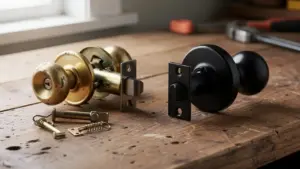
Standard pin‑tumbler deadbolts, especially low‑cost Grade 3 models from big‑box stores, can often be picked or bumped in seconds by someone with practice. Keys can be copied at any hardware counter or photographed and 3D‑printed. According to testing described in Locksmith Ledger, many light residential locks also fail when an intruder gives the door a few strong kicks because the strike plate and screws are weak. These old‑style risks stay the same no matter how careful you are with passwords.
Smart locks remove several of those weak points by getting rid of physical keys and adding audit logs and remote control. You can check whether the door is locked, change codes instantly, and see exactly which user opened it and when. For landlords, Airbnb hosts, and property managers around places such as Markham or Milton, that visibility alone is a major safety gain. The table below shows how the two options compare at a glance.
| Feature | Traditional Locks | Smart Locks |
|---|---|---|
| Common attack methods | Picking, bump keys, copied keys, forced entry | Network attacks, account takeover, forced entry |
| Control over access | One metal key per user, hard to track | Individual codes or digital keys, easy to add and remove |
| Activity tracking | No record of who entered | Access logs showing user, date, and time |
| Response to lost key or code | Rekey or replace cylinder | Delete or change digital credential in seconds |
| Best use cases | Very low tech sites and limited budgets | Homes, rentals, and offices needing flexible managed access |
When Should You Call a Professional Locksmith for Smart Lock Security?

Knowing when to call a professional locksmith for smart lock security can save time, money, and stress. Expert help is especially useful whenever the lock, door, or setup might not be performing at its best.
Common times to bring in a pro include:
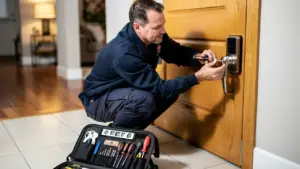
- New installations. A locksmith checks whether the door is solid, the strike plate has long screws, and the smart lock lines up so the deadbolt fully extends every time. Field tests by Consumer Reports show that weak frames let some doors open with only a couple of strong kicks, even when the deadbolt itself is decent. Faster Locksmith handles that carpentry detail while also setting up apps, codes, and two‑factor authentication correctly.
- After a suspected hack or tampering. A licensed technician can inspect the device, reset it to factory settings, rekey or replace the cylinder, and guide you on securing Wi‑Fi and accounts. New homebuyers across Toronto, Whitby, and Halton Hills also benefit from this visit, since they rarely know who still has old keys or codes. Faster Locksmith often combines rekeying with a smart lock upgrade so owners start fresh on day one.
- Commercial sites and multi‑unit buildings. One weak door can affect many people. A locksmith experienced in access control designs master‑key plans, selects commercial smart locks with audit trails, and trains staff on safe code practices. When batteries die, apps crash, or someone gets locked out at midnight, the same team can open the door without drilling the hardware. Faster Locksmith offers 24/7 emergency service with about a 30‑minute response time across much of the Greater Toronto Area, plus clear pricing with no hidden fees.
Securing Your Property Starts With the Right Expertise
Smart locks can significantly raise security when you choose the right model, keep software updated, and combine them with strong doors and frames. The real risks come from weak passwords, ignored updates, and rushed installations, not from the idea of smart tech itself. According to Statista, the smart lock market already generates billions of dollars each year, so better designs and features keep arriving. Faster Locksmith helps homeowners, businesses, and property managers pick safe products and install them correctly, with a five‑year product warranty and friendly local support whenever questions come up.
Frequently Asked Questions
Question: Can smart locks be hacked remotely without physical access?
Yes, remote attacks on smart locks are possible through Wi‑Fi flaws, cloud bugs, or stolen app logins, but they remain rare. Updated firmware, strong non‑reused passwords, and two‑factor authentication make remote attacks far harder than nearby Bluetooth relay tricks.
Question: What is the most secure type of smart lock available in Canada?
The most secure smart locks in Canada pair ANSI or BHMA Grade 1 hardware with AES‑128 or AES‑256 encryption and 2FA. Well‑known lines from Schlage, Yale, and August meet those standards. Faster Locksmith can recommend models that match your specific doors and security needs.
Question: Do smart locks work during a power outage?
Yes, most smart locks keep working during a power outage because they run on batteries, not household electricity. Quality models warn you well before batteries die and include either a physical key backup or an external power contact. Faster Locksmith also explains simple battery routines so lockouts stay very rare.
Question: Can a locksmith bypass a smart lock?
A licensed locksmith can usually bypass a smart lock without damaging your door or hardware. Many devices include a hidden key cylinder or other mechanical override that pros can open cleanly. Faster Locksmith offers 24/7 emergency entry across the Greater Toronto Area and then repairs or replaces any damaged parts if needed.