When keys change hands, security can feel shaky very quickly. Many people search for how to rekey Schlage door locks so they can stop old keys from working without buying all new hardware. The good news is that rekeying changes the inside of the cylinder so only a new key opens the door.
That single change blocks old keys, saves money, and keeps doors looking the same. You just match new pins to a new key and leave the knob, lever, or deadbolt on the door. In this guide, you’ll see what rekeying means, which tools you need, and the exact steps to follow.
You’ll also see when a do‑it‑yourself job makes sense and when Faster Locksmith in the Greater Toronto Area is the safer, faster option. Use this guide to decide whether to handle the work yourself or book a visit from a licensed locksmith.
Key Takeaways
Key points about how to rekey Schlage door locks help you decide your next step faster. This short section sums up what you gain from the full guide so you have a clear picture before you pick up a screwdriver or call Faster Locksmith.
- Rekeying switches the small pins inside the Schlage cylinder, not the whole lock body. The old key stops working, and a new key controls access. This gives fresh security after a move, breakup, or tenant change while keeping your existing hardware.
- A proper Schlage rekey kit, plug follower, key gauge, pinning tweezers, and removal tools make the work possible. Trying to use random household tools often bends parts, jams pins, and leaves you with a lock that will not turn.
- Simple deadbolts and knobs can be rekeyed at home with patience and careful hands. Missing keys, smart locks, master key setups, and high security cylinders call for a trained locksmith, such as the mobile technicians at Faster Locksmith.
“Locks do their job best when you always know exactly who holds the keys.” — common security saying
What Is Rekeying and How Does It Work on Schlage Locks?

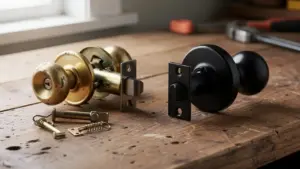
Rekeying a Schlage lock means changing only the key pins inside the cylinder so a different key works and the old one does not. Instead of replacing a deadbolt or knob, you keep the hardware on the door and adjust the inside layout. For anyone wondering how to rekey Schlage door locks without buying new locks, this is the core idea.
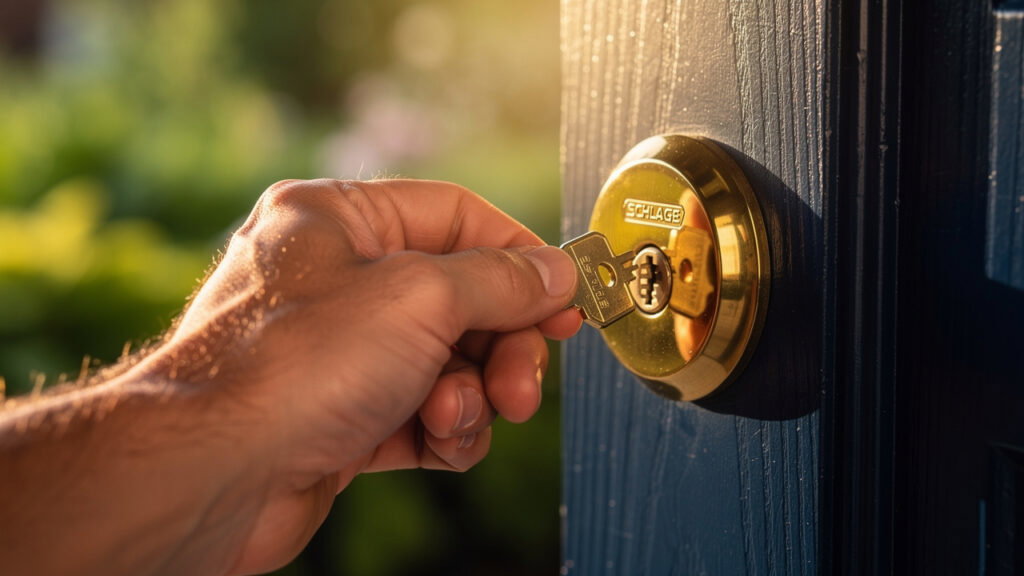
At the heart of most Schlage locks sits a pin tumbler system. The cylinder has an outer shell and an inner plug that turns when the correct key lifts the pins to the right height. Residential models usually use a five‑pin SC1 keyway, while many commercial doors use a six‑pin SC4 keyway. Each cut on the key blade lines up with a matching bottom pin.
Those bottom pins sit under top pins, also called driver pins. The place where the plug meets the shell forms a thin line called the shear line. When the right Schlage key goes in, the pins line up exactly at that line, so the plug turns and moves the latch. When the wrong key goes in, at least one pin blocks the plug from turning.
Rekeying swaps the bottom pins so they match a new key’s cuts. According to HomeAdvisor, rekeying locks often costs much less than replacing full hardware sets across several doors. That is why many new homebuyers, property managers in Toronto, and small business owners choose rekeying as their first security upgrade after taking over a space.
What Tools Do You Need to Rekey a Schlage Lock?

Before learning how to rekey Schlage door locks in detail, it helps to gather the proper tools. Schlage uses specific pin sizes, so random parts from another brand will not fit correctly. With the right kit and a calm setup, the process feels much smoother and far less stressful.
A basic Schlage rekeying setup usually includes these items. Each one has a clear job that protects tiny parts from damage or loss. When in doubt about any item, a locksmith such as Faster Locksmith already carries all of them on every truck.
- Schlage rekey kit – Holds bottom pins, top pins, springs, and clips made to the correct .235‑inch diameter. It usually comes sorted by number, from 0 through 9, to match pin heights to key cuts. Buying one quality kit is cheaper over time if you have many doors to change.
- Plug follower – Keeps the springs and top pins inside the cylinder body while you slide the plug out. It has the same diameter as the plug, so there is no empty space for parts to fly into. Without it, one slip can scatter pins across your table and ruin the cylinder.
- Cylinder removal tool or small spanner – Helps remove C‑clips or threaded caps at the back of Schlage cylinders. These parts hold the plug and tailpiece in place. The right tool avoids scratching the metal or bending the clip so badly that it no longer stays on.
- Schlage key gauge – Lets you read the cut depth on each part of the new key. You slide each cut into the stepped slots, and the gauge shows numbers that match pin sizes. This keeps guessing out of the process and reduces the chance of a stiff, half‑turning lock.
- Pinning tweezers – Grip tiny brass pins securely so you can lower them into the plug chambers. Regular cosmetic tweezers often squeeze too hard or let pins slip. Locksmith tweezers from brands like SouthOrd or LAB save time and lower frustration.
Set up on a clean, bright, flat surface where pins cannot roll away. According to Angi, many locksmith calls start after do‑it‑yourself jobs go wrong because parts were lost or cylinders jammed. Careful prep and the right tools help you avoid that problem.
“One lost spring can turn a 10‑minute rekey into an hour of guessing.” — Faster Locksmith technician
How to Rekey a Schlage Lock Step by Step
Learning how to rekey Schlage door locks follows two main stages. First, you remove the cylinder from the deadbolt, knob, or lever so you can reach the plug. Second, you repin that plug to match the new key and then put everything back on the door. Move slowly, and test the new key several times before you say the work is done.
Removing the Cylinder and Disassembling the Lock
Cylinder removal looks a little different on deadbolts compared with knobs and levers. In each case, the goal is simple: you want the brass cylinder on the table without bending the tailpiece or scratching the finish.
On a standard Schlage deadbolt, start by removing the two screws on the inside faceplate with a Phillips screwdriver. Pull the inside thumb turn and outside key housing off the door. On the back of the exterior housing, locate the flat tailpiece and the retainer that holds the cylinder. Remove the retainer screw or clip, then slide the brass cylinder straight out.
On a Schlage doorknob or lever, insert the original key into the outside keyway and turn it about a quarter turn. Look at the neck of the inside knob for a small round hole or metal tab. Push a stiff wire or the end of your removal tool into that hole while gently pulling the knob off the spindle. With the knob off, push on the keyway face to slide the cylinder out of the hollow shaft.
To keep parts organized:
- Place any springs, C‑clips, and small screws in a shallow tray so nothing rolls away.
- Keep each cylinder with its matching exterior trim so you do not mix pieces between doors.
Faster Locksmith technicians often use magnetic trays for this exact reason on calls around Vaughan and Mississauga. A little organization now saves a lot of searching later.
Repinning the Plug With the New Key

Once the cylinder sits free, you move on to the most detailed part of how to rekey Schlage door locks. The aim is to replace the old bottom pins with new ones that match a fresh key code. Patience here pays off with a smooth‑turning lock for years.
- On the back of the cylinder, pry off the C‑clip or unscrew the retaining cap with your spanner tool. Set the tailpiece and spring aside in the tray.
- Insert the original working key in the front and turn it about 45 degrees so the pins sit at the shear line instead of blocking the plug.
- Hold the plug follower tight against the back of the plug. Push the plug slowly out the front while sliding the follower into the shell behind it. Keep steady contact between the two parts, and do not lift the follower out of the shell. This step keeps the top pins and springs in their chambers.
- With the plug free, tip it over to dump the old bottom pins. Remove the old key and insert the new key you want to use going forward.
- Use your Schlage key gauge to read each cut on the new key, from shoulder to tip, creating a code such as 3‑5‑2‑7‑4.
- Pick the matching bottom pins from your kit with pinning tweezers and drop each one into the correct chamber. Look straight across the top of the plug. All pins should sit flush with the curved surface, with no pin sticking up or dipping down. A single wrong number can jam the whole cylinder.
- Turn the plug so the key is still slightly rotated, then press it back into the cylinder shell while the follower slides out the back. Once it seats fully, turn the key back to vertical and remove it.
- Reattach the tailpiece, spring, and C‑clip or cap, then test the new key several times in your hand. Only reinstall the cylinder in the door after it turns smoothly every time.
According to Angi, a trained locksmith often completes this full process on a simple deadbolt in under 30 minutes. For a first‑time home rekey, expect to spend longer as you get used to handling the follower and tiny pins.
When Should You Call a Professional Locksmith Instead?

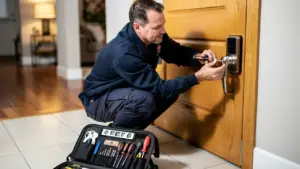
Knowing how to rekey Schlage door locks is helpful, but not every situation suits a do‑it‑yourself approach. Some locks, key problems, and building setups demand advanced tools and training. In those cases, bringing in a professional like Faster Locksmith protects both your doors and your peace of mind.
Common reasons to call a locksmith include:
- Missing original key
Without the original key, you cannot turn the plug to free it, so the cylinder needs to be picked or shimmed open from the back. That work is delicate and easy to damage if you lack practice. Faster Locksmith technicians use professional pick sets and shims to open Schlage cylinders on homes, offices, and condos across the Greater Toronto Area without drilling. - Smart Schlage locks and keypads
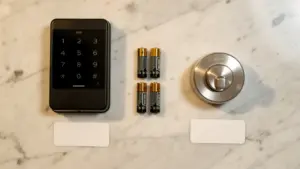
Another tricky area is smart hardware such as Schlage Encode, Schlage Connect, and Schlage Sense locks. These models combine an electronic keypad or Wi‑Fi module with a standard key cylinder. A full security update means repinning the key cylinder and also wiping or changing user codes through the keypad or Schlage app. According to Consumer Reports, smart locks can fail if installed or programmed incorrectly, which makes expert help even more valuable. - Master key systems for businesses or rentals
Property managers and business owners often need master key setups for places like medical offices, warehouses, or multi‑unit rentals. Creating a Schlage SC4 or Schlage Primus master system uses extra master pins and a planned chart so that one master key opens every door while each tenant key opens just one. Faster Locksmith designs, cuts, and maintains these systems for clients in Toronto and nearby cities, while also keeping tight control over key duplication. - Non‑standard or older Schlage cylinders
Some Schlage models, such as older SecureKey cylinders marked with a small plus sign, do not use standard pins at all. Others, like certain F Series knobs, need special followers or methods. Misreading these designs often destroys the lock.
When there is any doubt, a quick visit from Faster Locksmith is cheaper than replacing several damaged locks after a failed attempt. The company offers 24/7 service, fast response times, and clear pricing, with a current 10 percent discount for Uxbridge homeowners.
Closing Thoughts Secure Your Home the Right Way
Rekeying remains one of the fastest, most budget‑friendly ways to tighten control over who can open your doors. With a bit of knowledge about how to rekey Schlage door locks, the right kit, and patient hands, many homeowners and small landlords can update basic deadbolts and knobs on their own. That simple change shuts out old keys and fits neatly into most security plans.
The line between a good do‑it‑yourself rekey and a risky one appears when keys are lost, hardware is unusual, or many doors need a master key layout. In those moments, calling Faster Locksmith brings trained eyes, proper tools, and a five‑year product warranty to your property. For a smooth, safe upgrade anywhere in the Greater Toronto Area, a quick call or message for a no‑obligation quote can be the smartest step.
Frequently Asked Questions
Question: Can I rekey a Schlage lock without the original key?
You usually cannot rekey a Schlage lock without the original key. The plug must turn to free the cylinder for repinning. A locksmith picks or shims the lock to that position, then replaces the pins. Trying this without skill often bends parts and forces full hardware replacement.
Question: How much does it cost to rekey a Schlage lock professionally in Canada?
Professional rekey prices vary by city, lock type, and how many locks you have. According to HomeAdvisor, locksmith visits for rekey jobs often fall into the same price range as a few mid‑grade new locks. Faster Locksmith offers free quotes, clear pricing with no hidden fees, and a 10 percent discount for Uxbridge homeowners.
Question: How long does it take to rekey a Schlage lock?
A single standard Schlage deadbolt usually takes a trained locksmith around 15 to 30 minutes. That time covers removal, repinning, reassembly, and testing. First‑time do‑it‑yourself work can stretch much longer, especially when handling the plug follower and tiny pins for the first time.
Question: Is rekeying a Schlage lock as secure as replacing it?
Yes, a properly rekeyed Schlage lock is just as secure as a new one with the same grade. The pins match a fresh key, and old keys no longer work at all. Replacement is only needed when the hardware is worn, damaged, or you want to move up to higher security models like Schlage Primus.
Question: How do I know if my Schlage lock can be rekeyed at home?
Most standard Schlage SC1 and SC4 deadbolts and knobs can be rekeyed at home with a proper kit. Locks with a plus mark above the keyway, such as SecureKey, or some complex F Series designs are harder and need other methods. When you are not sure what you have, a short visit from Faster Locksmith gives a clear answer and safe next steps.