Introduction
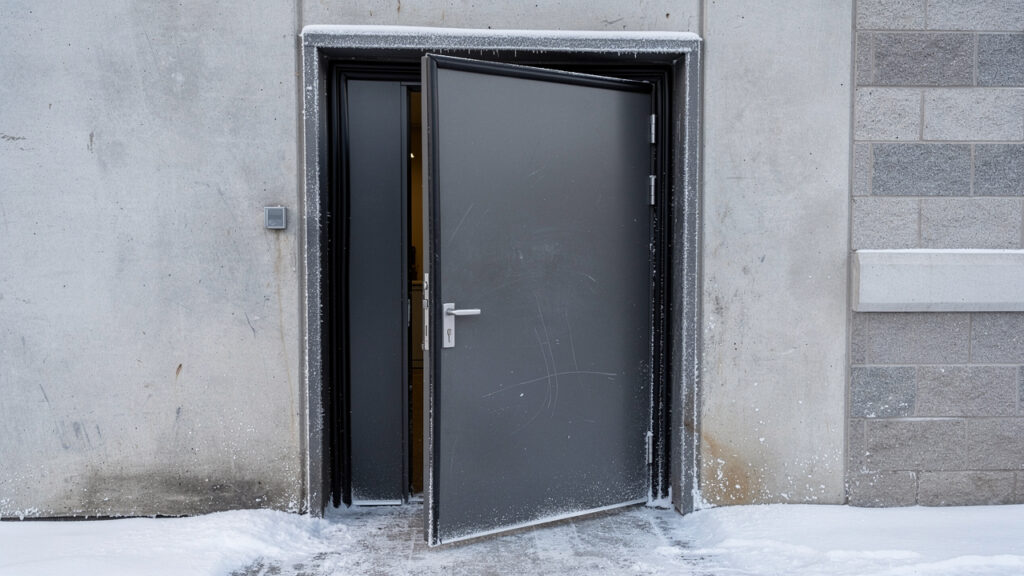
The screech of metal on metal is hard to ignore. A commercial metal door scraping or jamming against its frame may feel minor at first, but it often sends people straight to search for “commercial metal door touching frame how to fix” because they sense something more serious is going on.
When a heavy metal door drags, rubs, or will not latch, it is more than a small irritation. It can:
- Weaken security
- Cause staff or customers to force the door
- Lead to accessibility issues or code concerns
In places like the Greater Toronto Area, where doors deal with snow, salt, humidity, and big temperature swings, it is very common for alignment to slip over time.
Most issues trace back to a few repeating causes. Hinges loosen or wear out, frames shift with building settlement, thresholds bend, or metal expands in summer and contracts in winter. Add rust and years of high traffic, and that once-smooth commercial door can start rubbing, binding, and leaving gaps where cold air and water come through.
This guide walks through five professional fix methods that cover the most common commercial door alignment problems. You will see how to spot the cause, what you can safely adjust yourself, and when it is smarter to call experienced technicians from a company like Faster Locksmith. By the end, you will know practical steps for a proper alignment fix and how to keep your metal doors closing smoothly, safely, and commercial locksmith all year long.
“If a door does not close and latch reliably, it is not doing its job.” — Common saying among commercial door technicians
Key Takeaways
- A metal door that touches or rubs on the frame is often a sign of loose hinges, a shifted frame, or seasonal metal movement. Fixing it early protects security and reduces repair costs. Simple checks can show whether the problem is minor or structural.
- Most light issues come from hinge, strike plate, or threshold alignment and can often be corrected with careful hardware adjustment. Still, heavy doors, warped frames, and fire-rated openings are safer in professional hands. Faster Locksmith handles those jobs daily across the GTA.
- Regular commercial door maintenance, including lubrication, screw tightening, and weatherstripping checks, greatly reduces future binding or sagging. A small maintenance habit now is far cheaper than a rushed emergency call after the door stops closing or locking at all.
Why Commercial Metal Doors Touch Their Frame: Common Causes
When a commercial metal door starts scraping or hitting the frame, something has moved out of place. Before trying any repair, it helps to understand what changed.
Common reasons include:
- Hinge wear or loose screws that slowly let the door sag so the latch side rides up against the frame or threshold
- Door frame alignment drifting over time because of building settlement, carts hitting the frame, or earlier installation mistakes
- Rust at the bottom of the frame that swells the metal and creates tight spots, leading to metal door binding
- Threshold problems, such as bent sections or loose screws that lift parts of the sill
Environment matters as well. In Canadian winters and summers, thermal expansion and contraction can change clearances by a few millimeters. That is enough to turn a normal gap into contact, especially if clearances were tight from the start. Add in air pressure from HVAC systems and worn weatherstripping, and a door that once worked well can suddenly start sticking or failing to latch.
Method 1 – Tightening and Adjusting Commercial Door Hinges
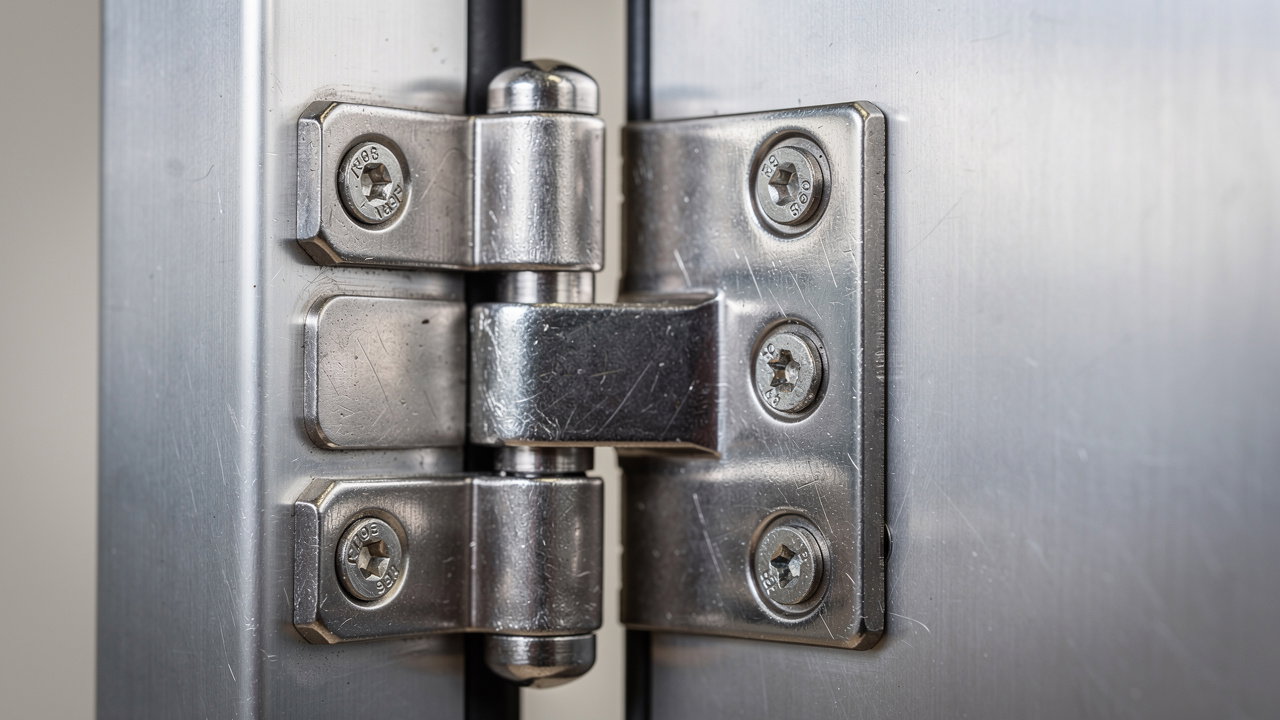
Hinges carry the full weight of a commercial metal door, so even small problems at the hinges show up as scraping, sagging, or binding. In many cases, a careful commercial door hinge adjustment fixes the problem without touching the frame or latch.
Step-By-Step Hinge Adjustment Process
- Support the door.
Prop the door slightly open and support it with a wedge or block so the weight is not pulling on the hinges while you work. This reduces stress on both the screws and the frame. - Inspect and tighten screws.
Check every hinge screw, both on the door and the frame, and tighten them with the correct screwdriver so you do not strip the heads. Focus on the top hinge first because it carries most of the weight and has the biggest effect on a fix for a sagging metal door. - Test the swing.
Open and close the door several times to see if the door rubbing frame issue is already resolved. Listen for scraping and watch the gap along the latch side and top. - Use shims for fine adjustment.
If it still hits, try a simple metal door frame adjustment with shims:- A thin shim behind the bottom hinge on the frame side can lift the top latch corner.
- Shims behind the top hinge can move the whole door down and away from the header.
- Re-check clearances.
Once the door swings freely, confirm the gaps are fairly even along the top and sides. This helps prevent fresh binding as the building moves or hardware wears.
Addressing Stripped Screw Holes in Commercial Frames
If a hinge screw spins without tightening, the hole in the metal frame may be stripped and no longer gripping. In that case:
- A larger diameter screw with the same thread pattern often gives new bite and restores proper support for the hinge.
- For more serious wear, metal anchors or tapping new threads give the hinge fresh material to hold onto and restore strength.
Wood frames on light commercial doors are less common but do appear in some interiors. There you can fill the hole with a glued-in dowel or hardwood plug, then drive the screw back into solid wood.
If several hinge holes are damaged or the frame metal itself is deformed, it is usually better to call Faster Locksmith for proper door jamb alignment and long-lasting repair instead of chasing each screw one by one.
Method 2 – Realigning the Strike Plate and Latch Mechanism
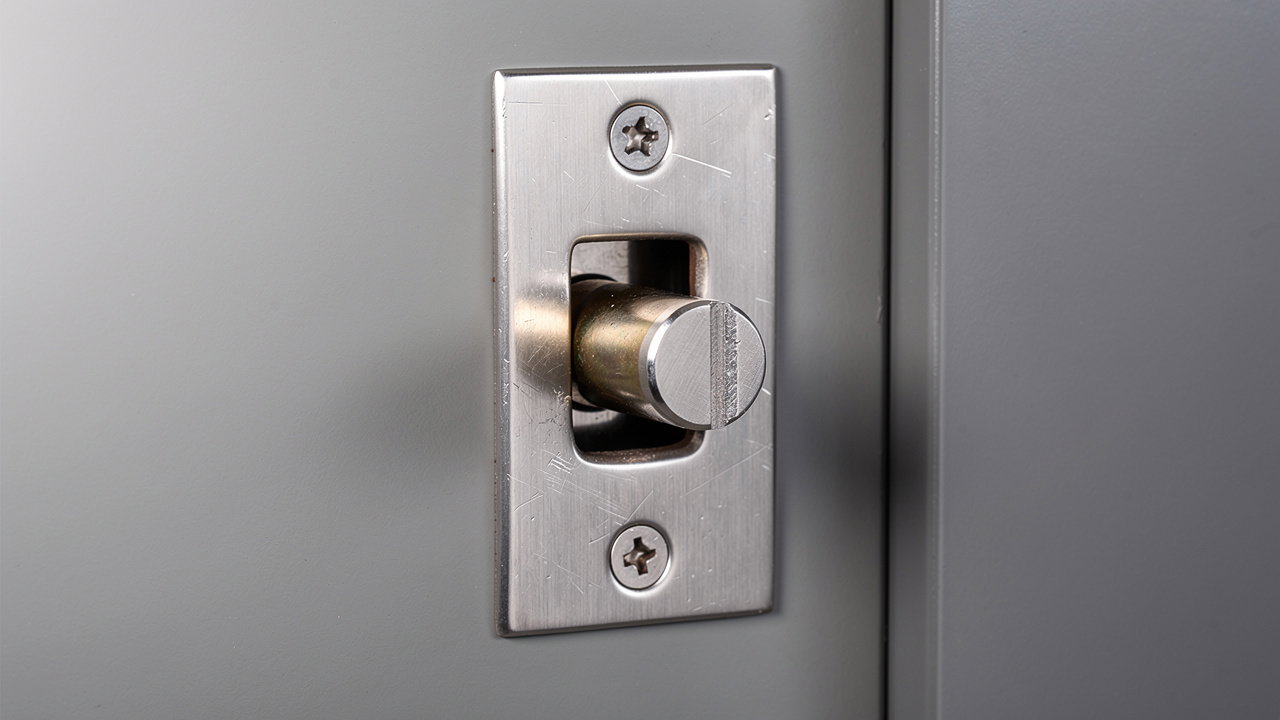
Sometimes the door swings fine but refuses to latch without a hard slam. That often points to the latch bolt and strike plate being slightly out of line. Even a few millimeters of misalignment can turn a simple close into a door hitting frame problem, especially on heavier commercial doors where tolerances are tight.
Adjusting Strike Plate Position
To start a metal door strike plate adjustment:
- Check the contact point.
Close the door slowly and watch where the latch contacts the plate. Note whether it hits high, low, or to one side. - Loosen the strike plate.
Loosen the strike plate screws just enough to let it move, without removing them completely. - Slide and test.
Slide the plate in the needed direction while testing the close until the latch enters cleanly and clicks without resistance. Take your time; small movements make a big difference. - Secure the final position.
Mark the final position if you like, then tighten the screws firmly so the plate does not drift back under use.
For very minor issues, filing the opening a little on the tight side can save time. Work slowly with a metal file, remove a small amount, then test again so you do not create a sloppy gap that weakens security.
Lubricating and Servicing the Latch
If alignment looks right but the latch feels sticky, a little maintenance may fix the issue:
- Spray a small amount of silicone lubricant on the latch bolt and work the handle several times so the lubricant spreads through the moving parts.
- For the cylinder itself, a dry graphite product works better and does not collect dust.
Avoid heavy oil products, which can attract dirt and gum up the mechanism.
After lubrication, the latch should retract and spring back smoothly every time without hanging up. If it still drags, feels loose, or fails to pop fully into the strike, its internal spring or parts may be worn. At that point, replacing the latch as part of a broader commercial door hardware adjustment is often faster and safer than trying to repair tiny worn components.
Method 3 – Correcting Threshold and Bottom Clearance Issues
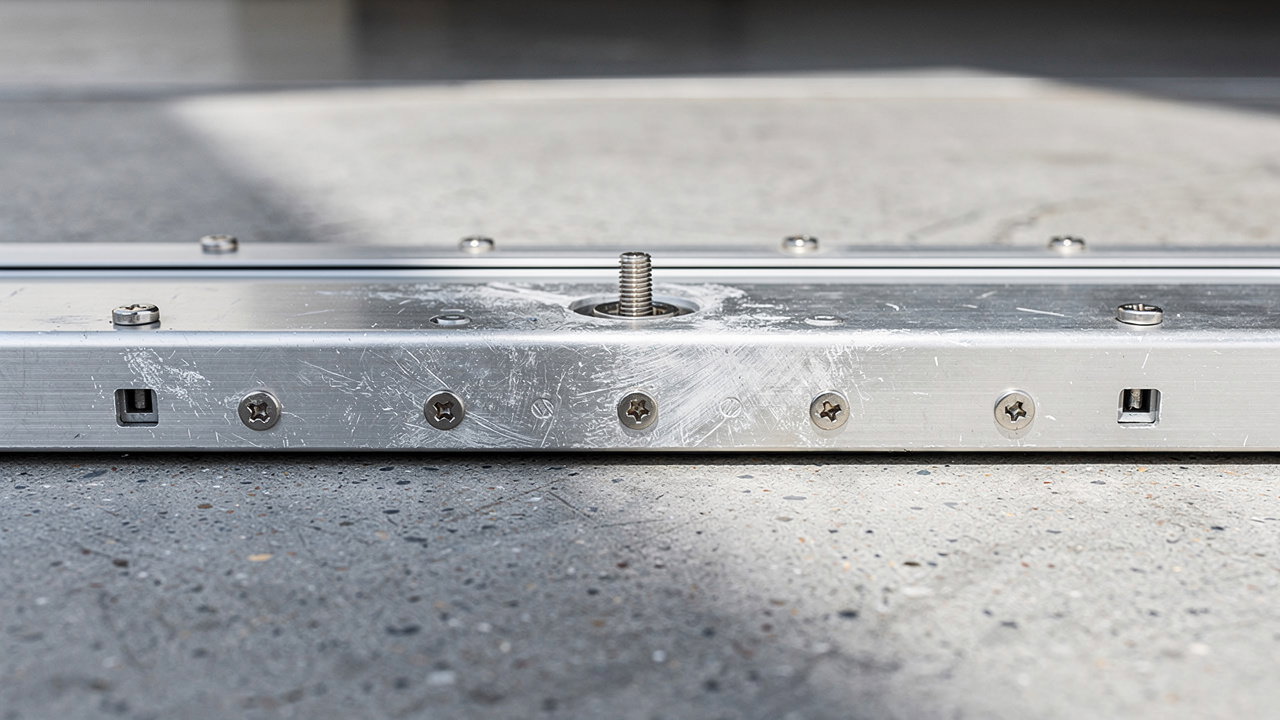
When the bottom of the metal door scrapes on the floor or threshold, people often blame the slab or tile. In many cases the real need is a simple door threshold adjustment or small change in bottom clearance. Over time, screws can back out, thresholds can bend, and debris can build up under the sweep.
Start with a close look at the threshold itself:
- Check whether the mounting screws sit tight and flush.
- Sight along the length for any bends or high spots where the door drags.
- Confirm that caulking or sealant under the threshold has not broken away, which can let it flex under load.
If it is an adjustable commercial threshold, the top strip often turns up or down with screws that raise or lower its height. A couple of small turns followed by tests can create just enough extra metal door clearance without leaving a big gap.
Threshold Adjustment and Repair
If you see a hump where the door hits:
- Place a wood block over the raised area and tap gently with a rubber mallet to flatten minor bends.
- Tighten loose mounting screws so the threshold sits solid against the floor and does not flex as people walk through.
- Clean away gravel, salt, or other debris, since buildup under the sweep can make the door feel like it is dragging on the metal itself.
For doors that still scrape even after threshold work, the problem may be shared between sagging hinges and a slightly high sill. In that case, combine small hinge tweaks with threshold adjustment instead of forcing one big change.
When the threshold is badly crushed, cracked, or corroded, replacing it is usually the safest long-term door rubbing frame repair, and Faster Locksmith can match commercial hardware to your opening and local code needs.
Method 4 – Compensating for Seasonal Expansion and Environmental Factors
Metal moves with temperature, and commercial doors show this more than many people expect. On hot sunny days, both the door and frame can swell enough to close the gap that was fine in spring, causing metal door binding on the latch or hinge side. In winter, the same opening may show a gap where cold air pours in around the weatherstripping.
In the Greater Toronto Area, those swings can be large, so a commercial metal door touching the frame only part of the year is very common. Humidity and moisture add more stress by feeding rust at the frame base or hinges. Good planning accepts that movement and uses hardware and weather seals that allow small adjustments rather than fighting the climate.
Installing Adjustable Hardware for Climate Adaptability
Adjustable hinges and strike plates are a smart way to handle seasonal shifts without constant shimming. These products let you make small, controlled moves to the door position or latch point with simple screw turns, instead of removing hardware.
A practical approach is:
- Set a solid baseline when the weather is moderate.
- Note how the gaps look when the door works best.
- Make only minor tweaks in very hot or cold periods to restore that feel.
In many cases, these parts cost a bit more up front than standard hardware but pay off by cutting down on callbacks and emergency visits. Property managers with many doors often ask Faster Locksmith to upgrade a few problem openings to adjustable systems once they see recurring seasonal trouble. Over time, that change reduces wear on hinges and latches and helps keep alignment close to ideal throughout the year.
Weatherstripping and Insulation Strategies
Weatherstripping plays a double role by sealing out drafts and cushioning slight contact between metal parts. Compression seals, magnetic strips, and adjustable threshold sweeps each suit different commercial doors, and the right choice depends on exposure and traffic.
Keep these tips in mind:
- Thicker seals help in winter but must not be so bulky that they cause fresh binding in summer.
- Exterior doors benefit from durable materials that handle salt and moisture.
- Interior doors may use softer seals for quieter closing.
Make a habit of checking metal door weatherstripping at least once a year. Look for cracks, flat spots, or pieces pulling away from the frame that could let in water and speed up rust. Replacing tired types of weather strip is an inexpensive way to improve comfort and reduce how often a door starts rubbing during temperature swings.
Method 5 – Frame Straightening and Structural Repairs
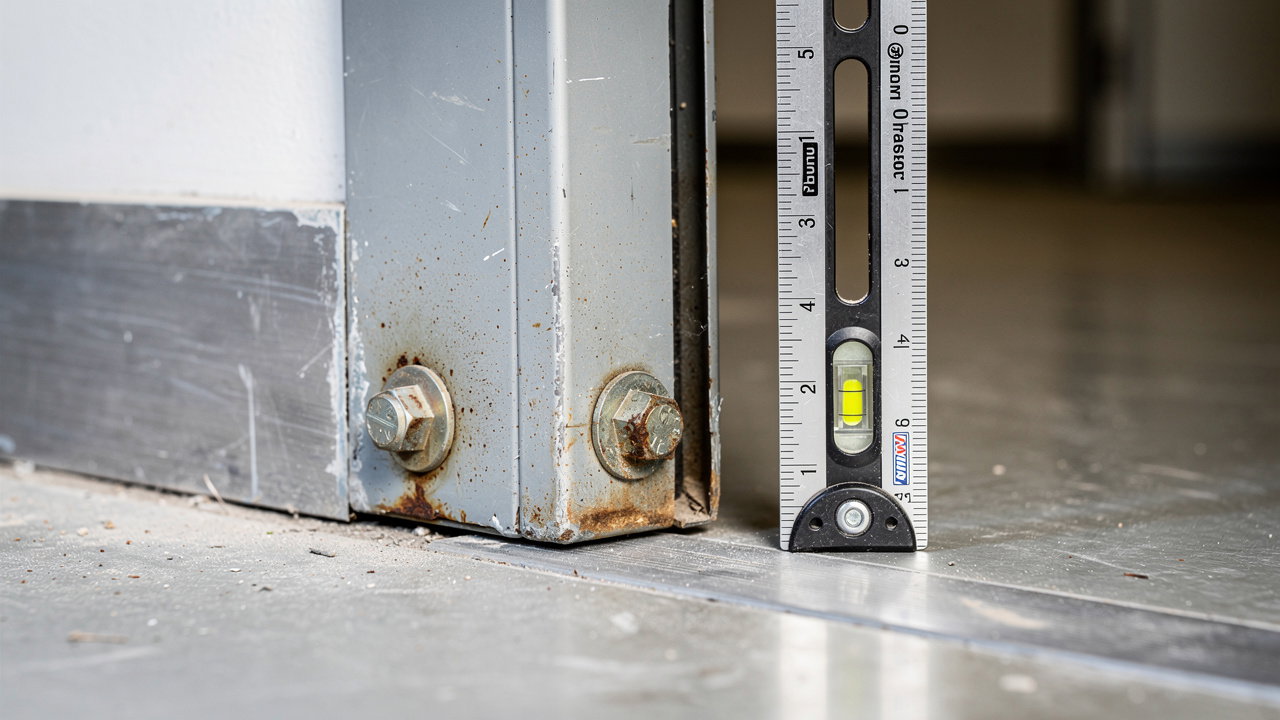
Sometimes a commercial metal door keeps touching the frame no matter how much you adjust the hinges and hardware. That usually points to a deeper door frame alignment issue or physical damage from impact or settlement. In these cases, real door frame repair on a commercial opening goes beyond simple DIY work.
A frame can twist out of square when a building settles or when equipment hits the jamb with force. Rust at the base can also eat away steel and let the frame move under load. When gaps are wide at one corner and tight at another, or you see clear bends and dents, the opening may need professional frame straightening instead of more hinge tweaks.
Diagnosing Serious Frame Damage
You can do some basic checks before calling anyone:
- Hold a level against the hinge side and latch side of the frame to see if they stand plumb or lean.
- Measure the diagonals from corner to corner; if the two measurements differ, the frame is not square and that often leads to binding and metal door clearance problems.
- Look closely for cracked paint, buckled metal, or rust flakes, especially near the bottom where water collects.
If the door worked fine after installation and the problem has slowly grown worse, building movement may be part of the story. Any sign that the wall around the frame is cracking or shifting is a strong hint that simple door shim installation will not fix the real cause.
Professional Frame Repair and Replacement Options
Serious frame issues call for specialized tools and experience. A professional team such as Faster Locksmith can use frame spreaders, clamps, and welding gear to straighten metal, repair rusted sections, and bring the opening back within proper tolerances. They also know how to keep fire ratings and code approvals intact during door frame repair on commercial properties.
Repair makes sense when damage is limited and the steel still has good strength. If the frame is badly bent, rusted through, or far out of square, replacement may be the only safe path. Faster Locksmith offers emergency locksmith services, fast 30-minute response across the Greater Toronto Area, and a 5-year warranty on products, so you get clear pricing and work that lasts. That kind of expert help protects both security hardware and the structure around it.
Door Closer Adjustment: The Often-Overlooked Factor
A door closer will not usually cause a metal door to touch the frame by itself, but bad settings can make a small misalignment much worse. If the closer slams the door, it can jar hinges, loosen screws, and drive the latch so hard into the strike that parts wear out early. If it is too weak, the door may not latch, tempting people to pull or kick the door to make it close.
Most commercial closers have two main valves for adjusting door closer tension and speed:
- One controls the sweep speed for most of the closing swing.
- The other controls the latch speed in the last few inches where the latch engages.
Turning the screw clockwise usually slows the action and sometimes adds force, while turning it counterclockwise does the opposite.
Make very small changes and test after each one, watching how the door moves and listening for rubbing or banging. If you see oil leaking from the closer body, or the adjustments seem to do nothing, the unit is likely worn out and should be replaced.
On fire-rated doors and high-traffic exits, it is best to let a certified technician handle closer replacement and commercial door alignment so safety timing and force limits stay within code.
Preventative Maintenance to Avoid Future Alignment Issues
Once a door is working properly again, the next goal is to keep it that way. Simple commercial door maintenance goes a long way toward preventing another round of scraping, binding, or failed latching. Regular care also extends the life of expensive hardware and reduces surprise downtime at busy entrances.
“The cheapest repair is the one you never need to make.” — Common property maintenance saying
Essential Maintenance Tasks
Create a basic schedule to check each important door every three to six months, depending on traffic. During that check:
- Clean and lubricate moving parts.
Wipe dirt from hinges, closers, and thresholds, then apply the right lubricating door hinges, latch bolts, and lock cylinders. White lithium grease works well on hinges, while graphite and silicone spray suit latches and locks and do not attract as much dust. - Tighten hardware.
Tighten all accessible screws on hinges, strike plates, door closers, and handles so small looseness does not grow into a sagging or misaligned door. - Watch for rust and damage.
Look for early signs of rust on the door bottom or frame and touch up paint before corrosion spreads. Check for dents, loose covers, or cracked glazing around vision panels. - Inspect weatherstripping and thresholds.
Check weatherstripping for gaps, flattening, or tears that could let in water or cold air and speed up frame damage. Make sure thresholds are tight and clean so they do not cause fresh binding.
Many property managers in the GTA also schedule an annual visit from Faster Locksmith to review all commercial doors, spot patterns, and fix small issues before they show up as serious commercial door installation problems.
When to Call Professional Commercial Door Repair Services
Not every issue with a commercial metal door needs a professional, but some clearly do. Heavy steel doors, fire-rated assemblies, and openings with access control carry more risk if repairs go wrong. Trying to lift or remove a commercial door without proper gear can cause serious injuries and more damage to the frame and hinges.
It is wise to call a pro when:
- DIY hinge and strike adjustments do not stop the door from touching or binding
- The door has warped panels or a badly rusted frame
- Hardware has already been replaced more than once without real improvement
- The opening includes panic bars, magnetic locks, or alarm and card-reader systems
Fire-rated doors, doors with panic hardware, and openings tied into alarm or card systems should always be handled by certified technicians so ratings and warranties stay valid.
Faster Locksmith offers 24/7 emergency service across the Greater Toronto Area with typical response times around 30 minutes. Their local technicians handle commercial door frame alignment, metal door binding fix work, electronic hardware, and high-security locks every day, with clear pricing and a 5-year warranty on products. Calling in that level of help when the problem is serious often costs less than repeated short-term fixes that never quite solve the issue.
Conclusion
A commercial metal door that keeps touching or scraping its frame is more than a minor annoyance. It signals changes in hinges, frames, thresholds, or hardware that can weaken security, damage components, and frustrate everyone who uses the entrance. By working through the main methods in this guide, you can usually trace the source and choose the right fix instead of guessing.
Tightening and adjusting hinges, fine-tuning the strike plate and latch, correcting threshold height, planning for seasonal movement, and repairing or replacing damaged frames cover most real-world problems. Adding proper closer settings and regular maintenance keeps those fixes working longer and reduces the chance of another alignment issue. Together, these steps create a smoother entrance, better metal door clearance, and a more professional look for staff and visitors.
For light issues, careful DIY work with the right tools can be enough. When you see serious frame damage, very heavy doors, fire-rated openings, or repeated failures, it makes sense to call experts. Faster Locksmith is ready around the clock in the GTA to assess, repair, and maintain commercial doors with transparent pricing and long-term product warranties. That way, your doors close cleanly, lock reliably, and support your business instead of fighting it.
FAQs
How Much Gap Should There Be Between a Commercial Metal Door and Its Frame?
Most commercial doors work best with:
- About 1/8 to 3/16 of an inch on the hinge side and along the latch edge
- Just under 1/8 of an inch across the top so the door clears the header without looking uneven
- Between 3/8 and 1/2 of an inch at the bottom to allow for a sweep and proper door threshold adjustment
You can summarize typical clearances like this:
| Door Area | Typical Gap Range |
|---|---|
| Hinge Side | 1/8″ – 3/16″ |
| Latch Side | 1/8″ – 3/16″ |
| Top | Slightly under 1/8″ |
| Bottom | 3/8″ – 1/2″ |
Local codes and accessibility rules can set limits, so a professional can confirm the right clearances for your building.
Can I Adjust a Commercial Metal Door Myself or Do I Need a Professional?
You can safely handle some light tasks on your own, especially if you work slowly and carefully. For many facilities, DIY work includes:
- Tightening loose hinge and strike plate screws
- Adding small hinge shims
- Cleaning thresholds
- Doing basic metal door frame adjustment work
However, if the door is very heavy, fire-rated, badly rusted, or tied to access control, calling a professional is safer. In those cases, Faster Locksmith technicians have the tools and training to handle the weight, protect ratings, and avoid further damage.
Why Does My Commercial Door Only Rub in Summer or Winter?
A door that rubs only in one season is usually reacting to temperature changes. Metal expands when it gets hot and contracts when it cools, which slightly changes the gap between the door and frame.
- In summer, a dark metal door in direct sun can swell enough to touch the frame.
- In winter, it may shrink and leave a visible gap.
Adjustable hinges, better weatherstripping, and careful door jamb alignment help manage these seasonal shifts, and a professional can recommend the best setup for your building and climate.
How Often Should Commercial Door Hardware Be Maintained?
High-traffic commercial doors do best with a basic check every three months. For standard entrances that see moderate use, a full commercial door maintenance visit every six months usually keeps things running smoothly.
Each visit should include:
- Lubrication of hinges, latches, and locks
- Screw tightening on all hardware
- Testing of latching and closer operation
- Inspection of weatherstripping and thresholds
Many businesses also schedule a yearly professional inspection with Faster Locksmith to catch issues that are easy to miss during routine in-house checks.
Will Adjusting My Door Void Its Fire Rating?
Minor tasks such as tightening screws or lightly adjusting a closer usually do not affect a fire rating. That rating depends on clearances, approved hardware, and proper installation, so drilling new holes, trimming doors, or changing rated components can risk the label.
Any major change on a rated opening should be handled by certified technicians who understand fire door standards. Keeping written records of inspections and repairs also helps meet code and insurance requirements.