Key Takeaways
- A single digit combination lock uses a keypad or push buttons so you enter numbers one at a time instead of turning a dial. This makes a combination lock with numbers simple to learn, even for kids and older adults. You get keyless entry and fewer worries about lost metal keys.
- The main lock types cover mechanical push-button deadbolts, electronic keypad deadbolts, smart lock keypads, keypad padlocks, and small wall-mounted lock boxes. Each type fits a different job, from a combination lock for locker doors to a combination lock for gate or shed doors. Matching type to location keeps day-to-day use smooth.
- Choosing the right simple combination lock means checking security grade, code length, shackle strength, and weather resistance. Homeowners often want auto-locking and a combination lock easy to use. Business owners and property managers care more about audit trails, multiple codes, and remote management.
- Common problems include forgotten codes, frozen outdoor padlocks, worn keypads, failed battery changes, and badly done code resets. Some of these you can fix yourself with patience. Others call for a professional locksmith who can open, repair, or replace the lock without extra damage.
- Faster Locksmith helps with choosing, installing, and servicing every common combination lock type across the Greater Toronto Area. Their technicians install keypad deadbolts, smart locks, and padlocks with combination codes. They also handle emergency lockouts and code resets, backed by transparent pricing and a five-year product warranty.
A single digit combination lock gives school lockers and home doors safe, keyless entry using a short code. For a school locker, the best option is usually a compact number combination padlock or keypad padlock with a hardened shackle, three- or four-digit code, and simple one-hand operation. This kind of combination lock for locker use avoids lost keys, lets staff reset codes between students, and still feels familiar to kids.
Many homeowners and business owners across Canada now pick a single digit combination lock instead of a basic keyed padlock. They want quick, easy access without worrying about copied keys or who still has a spare. In this guide you will see how these locks work, the main styles, how to choose the right model, common problems, and how Faster Locksmith supports you.
Ready to see how keyless codes can fit your doors, gates, and lockers in the Greater Toronto Area? Keep reading to compare options and plan your next upgrade.
What Is A Single Digit Combination Lock And How Does It Work?

A single digit combination lock is a keyless lock where you enter numbers one at a time on a keypad or set of buttons. Instead of turning a round dial like a classic dial combination lock, you press a code in sequence to move the internal parts into the open position. The lock stays closed unless the correct code lines everything up.
Mechanical push-button locks do this without any power. Behind the buttons sit small pins and plates that shift when you press certain numbers. When the right buttons move into place, they clear a path for the latch or bolt so the door or cabinet opens. Simplex-style locks from brands like Kaba use this layout on office doors and utility rooms across Canada.
Electronic keypad locks use a small circuit board and motor. When you type the correct code, the electronics signal a motor or solenoid to pull the bolt back. Many models from brands such as Schlage, Yale, or Weiser also let you keep a backup metal key. They often add features such as auto-locking after a short delay and several user codes for family or staff.
For school lockers, both keypad padlocks and traditional number combination padlocks count as a single digit combination lock, because the user still enters one number at a time. According to Khan Academy, a four-digit numeric code has ten thousand possible combinations, while six digits give one million possibilities. That large range makes a secure combination lock hard to guess if the code is not simple like 1234.
As many locksmiths like to say, “A strong lock still depends on a code that people choose wisely and protect carefully.”
What Are The Main Types Of Single Digit Combination Locks?

The main types of single digit combination lock cover door deadbolts, smart keypads, portable padlocks, and compact lock boxes. Each one suits a different place, from a home front door to a storage unit or school locker. Picking the right style matters as much as picking a strong code.
Here are the key combination lock types you will see most often.
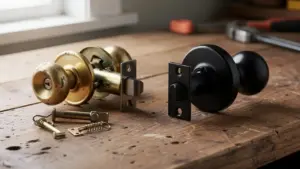
- Mechanical Push-Button Deadbolts use springs and metal parts instead of batteries, so they stay reliable in harsh Canadian winters. They work well for side doors, mechanical rooms, and stock rooms where staff use the same code many times a day. Because there is no battery to fail, a mechanical single digit lock like this is a good fit where constant power is not guaranteed.
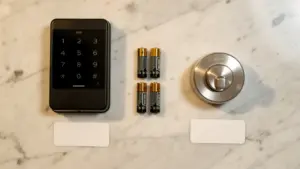
- Electronic Keypad Deadbolts replace a normal keyed cylinder on house or office doors with a keypad and motor-driven bolt. Many Canadian homeowners pick these as an easy access combination lock because they can give each family member a different code and remove it when needed. You still have a physical key as backup in case the battery runs flat while you are away.
- Smart Lock Keypads add Wi‑Fi or Bluetooth along with the keypad so you can manage codes from a phone. Property managers like these because they can add or remove codes for tenants or cleaners without visiting the unit. Brands that support 128‑bit AES encryption, a standard recommended by NIST for protecting sensitive data, give extra peace of mind for remote access.
- Keypad Padlocks And Number Combination Padlocks are great when you need a padlock with combination entry instead of a key. You can use them as a combination lock for gym locker doors, school lockers, backyard sheds, or storage cages. When buying a combination padlock Canada wide, look for hardened steel shackles and weather seals so snow and rain do not cause rust.
- Combination Lock Boxes And Key Safes mount on a wall near a door and hold a spare mechanical key behind a small single digit keypad. Real estate agents, Airbnb hosts, and property managers in Toronto, Mississauga, and Oshawa use them to give short-term access to cleaners or contractors. Because the code changes quickly, they avoid the mess of collecting keys after each visit.
How Do You Choose The Right Combination Lock For Your Needs?
Choosing the right single digit combination lock starts with matching the lock to the door, gate, or locker you want to secure. The same product that works for a condo mailbox will not suit a warehouse gate or school hallway. You also need to balance convenience, security level, and budget.
When you compare models, keep these points in mind:
- Security Grade: Security grade helps you compare products. ANSI or BHMA Grade 1 hardware handles heavier use than Grade 2, so it is better for busy doors in offices or apartment buildings. According to Statistics Canada, police record well over one hundred thousand break-and-enter incidents across the country in a typical year, so higher grade locks on exposed entries are a sensible choice.
- Code Length And Strength: Code length also matters. A basic combination lock with numbers from zero to nine can support codes from four to eight digits, and longer codes are harder to guess. Avoid using birthdays, street numbers, or simple runs, and change shared codes after staff or tenants leave. Many resettable combination lock models make this kind of update quick.
- Material And Weather Resistance: Material and weather resistance are key if you need a combination lock for gate, fence, shed, or outdoor storage. Look for a hardened boron steel shackle, short enough that bolt cutters have little room. Rating labels like IP65 help show a combination lock for storage or gate will resist dust and water on a snowy Toronto sidewalk.
Different users focus on slightly different things, which you can see at a glance:
| User Type | Main Goal | Good Lock Style |
|---|---|---|
| Homeowner | Simple daily entry and family safety | Electronic keypad deadbolt or smart keypad |
| Business Owner | Controlled staff access and durability | Grade 1 push-button or heavy keypad deadbolt |
| Property Manager | Remote code control across many units | Smart lock keypads and wall lock boxes |
Faster Locksmith often helps new homebuyers choose a combination lock easy to use that also meets door strength and frame standards. For busy stores or offices, their technicians suggest lock types that work with existing commercial doors and fire code rules.
Security Features Worth Prioritizing
Security features can turn a basic combination lock into a stronger barrier against forced entry or guessing attacks. When you compare models on a shelf or online, look past the finish and look closely at the unseen parts. These details decide how long the lock stands up to real threats.
- Anti-Tamper And Anti-Drill Parts slow down common physical attacks. A hardened shackle on a number combination padlock or thick strike plate on a keypad deadbolt makes quick cutting or prying far harder. On some smart locks, built-in alarms sound if someone hits the keypad or forces the door, which also protects tenants in multi-unit buildings.
- Protection Against Button Wear And Code Peeking helps on mechanical push-button locks. Over time certain buttons may look shinier and show which digits are in the code, so regular cleaning and codes that reuse more digits reduce that risk. Some smart keypads even allow extra random digits before or after the real code, which hides the pattern from people watching.
- Electronic Safety And Encryption matter on Wi‑Fi or Bluetooth models. Choose brands that publish security details and use modern standards such as AES‑128 or higher, a cipher approved by NIST for sensitive information. Keep firmware updated so known bugs do not stay in place on a device that guards your front door.
As security professionals often remind people, “Security is always a balance between making entry convenient and keeping the wrong people out.”
What Are Common Combination Lock Problems – And When Should You Call A Locksmith?

Common combination lock problems include forgotten codes, frozen or rusted parts, worn keypads, and dead batteries that leave the bolt stuck shut. Even a secure combination lock can cause trouble if the internal parts wear out or the code reset process goes wrong. Outdoor locks in Canadian winters face extra strain from moisture and ice.
For mechanical keypad locks and padlocks with combination codes, dirt and old lubricant can cause sticking. A light spray of dry graphite helps, while oil-based sprays collect grime and make long-term issues worse. On electronic models, weak batteries can cause random beeps or slow movement of the bolt long before the lock fully stops working.
Some situations are fine to handle yourself, but others call for a professional from a company such as Faster Locksmith:
- You completely forget the code and have no backup record or override key. DIY attempts to guess can damage the mechanism or trigger lockout modes. A trained locksmith uses specialized tools and methods to open the lock cleanly and often preserve it for reuse.
- The lock jams even when you are sure the code is right. Internal pins or gears may be bent, broken, or full of grit that simple cleaning will not remove. A locksmith can remove the lock, open it safely, and advise you whether repair or replacement is the smarter choice.
- An outdoor combination lock for fence, shed, or storage has frozen solid in winter. Hitting or heating the lock can crack seals or warp parts, especially on cheaper models. A locksmith can open the lock without extra harm and suggest weather-rated hardware that copes better with Greater Toronto snow and ice.
- You manage several sites and need to change many codes at once. For property managers in Whitby, Halton Hills, and Georgina, Faster Locksmith can standardize combination lock types and help build a clear code plan. That reduces human error and keeps staff from writing codes on paper near the doors.
According to guidance from the National Research Council Canada, exit doors in public buildings must open from the inside without a key or code, which is another reason to have a locksmith review any planned changes. They make sure your new combination lock setup stays safe and code compliant.
How Does Faster Locksmith Support Your Combination Lock Needs?

Faster Locksmith supports single digit combination lock users by supplying, installing, and servicing many keypad and combination systems across the Greater Toronto Area. Their licensed technicians handle everything from a new electronic deadbolt on a condo door to keypad padlocks on commercial storage cages. Because they focus on both security and daily convenience, they help you pick locks that feel natural in regular use.
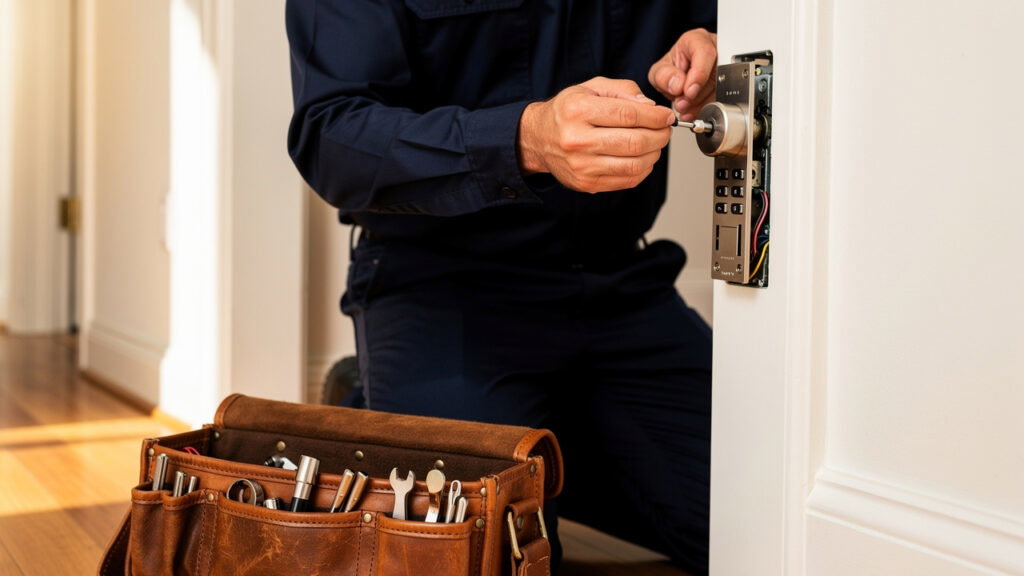
For new installations, Faster Locksmith fits mechanical push-button locks, electronic keypads, and smart lock keypads on residential and commercial doors. They also install combination lock boxes near front doors for real estate agents and rental hosts who need safe key sharing. According to Faster Locksmith, every product they install carries a five-year warranty, which is rare among local locksmiths.
Their 24/7 emergency team responds to lockouts involving combination lock no key systems on homes, vehicles, and businesses. If a resettable combination lock gets scrambled during a code change, they can usually open and reset it without cutting. For clients moving away from keys, they also offer rekeying services and security consultations to plan a smooth shift from metal keys to keypad and combination access.
Transparent pricing with no hidden fees, quick thirty-minute response targets in most GTA neighborhoods, and friendly technicians make the process less stressful. Whether you live in Mississauga, Oshawa, or downtown Toronto, Faster Locksmith can match lock brands and models to your exact doors instead of pushing one generic kit.
Keeping Your Combination Lock In Top Condition
Good maintenance keeps any single digit combination lock working smoothly and reduces the odds of a lockout at the worst time. A few quick habits protect both mechanical and electronic models. They also help your five-year warranty from Faster Locksmith stay valid, since many makers expect basic care.
- For Mechanical Locks, Focus On Clean Movement And Dry Lubrication. Once a year, add a small amount of dry graphite into the keypad or dial openings and work the buttons a few times. Wipe away dust and grime so button labels stay easy to read, and test the lock several times so you notice wear before something fails.
- For Electronic Locks, Plan Routine Battery And Weather Checks. Change batteries before winter or long holidays instead of waiting for a low battery beep. Check that rubber gaskets and covers still sit tight on outdoor locks, especially on a combination lock for shed or side gate use, so rain and melting snow do not creep inside and corrode contacts.
A common locksmith saying sums it up well: “A few minutes of maintenance can save you from a midnight lockout.”
Start Securing Your Property The Smarter Way
A well-chosen single digit combination lock removes the daily hassle of keys while keeping doors, gates, and lockers secure. You press a short code on a keypad or number buttons, walk through, and let the auto-lock feature handle the rest. For homes, a combination lock easy to use means kids, seniors, and guests can get in without spare keys.
For business owners and property managers, keypad deadbolts, padlocks with combination entry, and smart keypads give flexible access control. Codes can change between staff rotations, contractors, or tenants instead of reissuing piles of keys. Paired with guidance from a local expert such as Faster Locksmith in the GTA, these systems provide strong physical security and smooth day-to-day access.
Conclusion
A smart plan, the right single digit combination lock, and professional installation work together to keep every entry point secure.
Frequently Asked Questions
Question 1: What Is The Difference Between A Single Digit Combination Lock And A Dial Combination Lock?
A single digit combination lock uses a keypad or buttons where you press each number in sequence. A dial combination lock uses one rotating dial you spin left and right to line up numbers. Keypads are usually faster and easier to use many times a day, especially on busy doors and lockers.
Question 2: Can A Single Digit Combination Lock Be Used Outdoors In Canadian Winters?
Yes, as long as you choose a weather-rated model and protect it from standing water and ice. Look for IP65-style ratings, rubber covers, and hardened steel parts on a combination lock for gate, fence, or shed use. Mechanical push-button locks usually handle deep cold better than battery-powered smart locks.
Question 3: How Many Possible Combinations Does A Single Digit Combination Lock Have?
The number of combinations depends on code length and the digits available. A four-digit code using numbers zero through nine has ten thousand options, while a six-digit code has one million. Longer, less predictable codes greatly reduce the chance that someone can guess their way in.
Question 4: Is It Possible To Reset A Forgotten Combination Lock Code Without A Locksmith?
Sometimes you can reset the lock yourself, especially on electronic models with an interior reset button or a master key. If the lock has no override, or the reset steps are unclear, forcing it may cause permanent damage. In those cases a locksmith such as Faster Locksmith can open and reset the lock properly.
Question 5: Are Combination Locks Safer Than Traditional Keyed Padlocks?
High-quality number combination padlocks avoid problems like lock bumping and some forms of picking that affect keyed padlocks. Security still depends on using a strong code and keeping the keypad clean so wear does not reveal digits. Grade 1 or other tested combination lock types offer the best resistance to both physical and guessing attacks.